Short answer: Usually two things together: caffeine, which stimulates your bowel, and a big, concentrated serving of powder that pulls water into your gut. Add an empty stomach, not enough water and heavy lifting, and you get the mid-session sprint to the toilet. The fix is mostly how you take it: more water, sip it slowly, eat something 60–90 minutes before, and start with a smaller dose.
You're not the only one. It's one of the most common questions we get. Here's what's actually going on.
Cause 1: Caffeine speeds up your bowel
Caffeine stimulates contractions in your colon. In one study, caffeinated coffee increased colonic activity about 60% more than water and around 23% more than decaf (Rao et al., 1998). Another found roughly 3 in 10 people get an urge to go after coffee (Brown et al., 1990).
A stim pre-workout delivers a concentrated caffeine hit in one go, often on top of a morning coffee. If coffee sends you to the toilet, a stim pre-workout will too.
Cause 2: Serving size and osmotic load
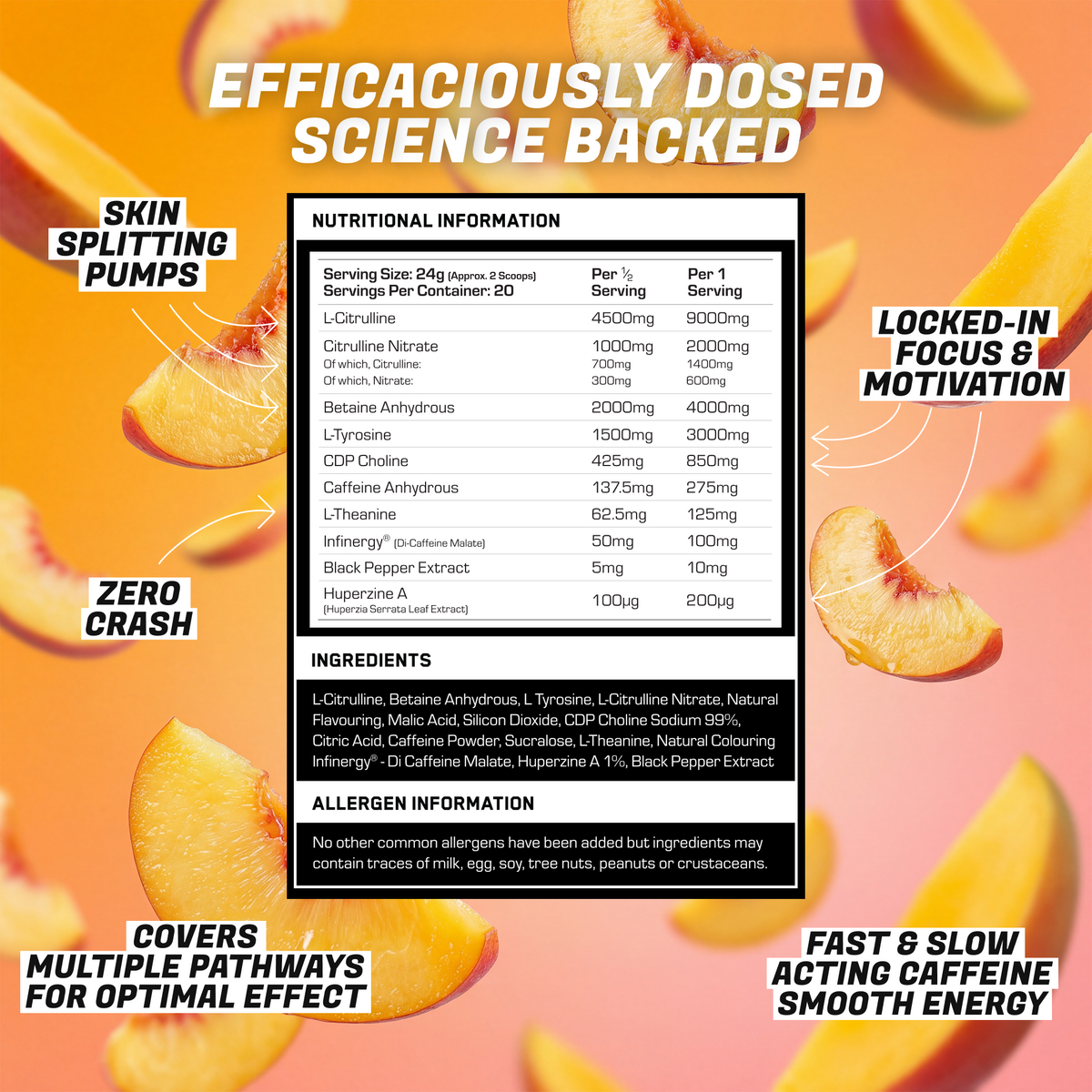
This is the one people don't expect. Properly dosed pre-workouts are big. Ten grams of citrulline, four of betaine, four of glycerol, plus salts and flavouring adds up. When a concentrated drink lands in your gut, your body pulls water into the intestine to dilute it. More water in the gut means things move faster.
This is the trade-off of real doses. A 6g scoop of underdosed powder won't do it. Neither will it do much else.
Cause 3: Empty stomach
On an empty stomach, everything hits harder and faster: the caffeine, the concentrated powder, and the blood flow ingredients. Early-morning fasted training is where we hear about this most.
Cause 4: Training itself
Hard exercise diverts blood away from your gut towards working muscle, and heavy compound lifts like squats and deadlifts drive up pressure in your abdomen. Endurance runners know this as "runner's trots". Some of the effect is the training, not the tub.
Cause 5: Not enough water, drunk too fast
Mixing a full serving into 250ml and downing it in ten seconds gives you the most concentrated, fastest-arriving dose possible. That's the worst-case scenario for your gut.
How to fix it
In rough order of impact:
- Use at least 500ml of water per full serving. More if you're sensitive.
- Sip it over 10–15 minutes instead of downing it.
- Eat a small meal 60–90 minutes before training. Something easy like oats, a bagel or a banana with yoghurt. Avoid very fatty or high-fibre meals right before.
- Start with half a serving. Take 1 scoop for a week and build up.
- Cut the extra coffee on training days, or count it towards your total caffeine.
- Go to the toilet before you take it. Simple, effective.
- Try a non-stim option like VASO-DIAL if caffeine is the trigger. If it's still happening without caffeine, serving size is the more likely cause, so fixes 1–4 matter most.
What about our pre-workouts?
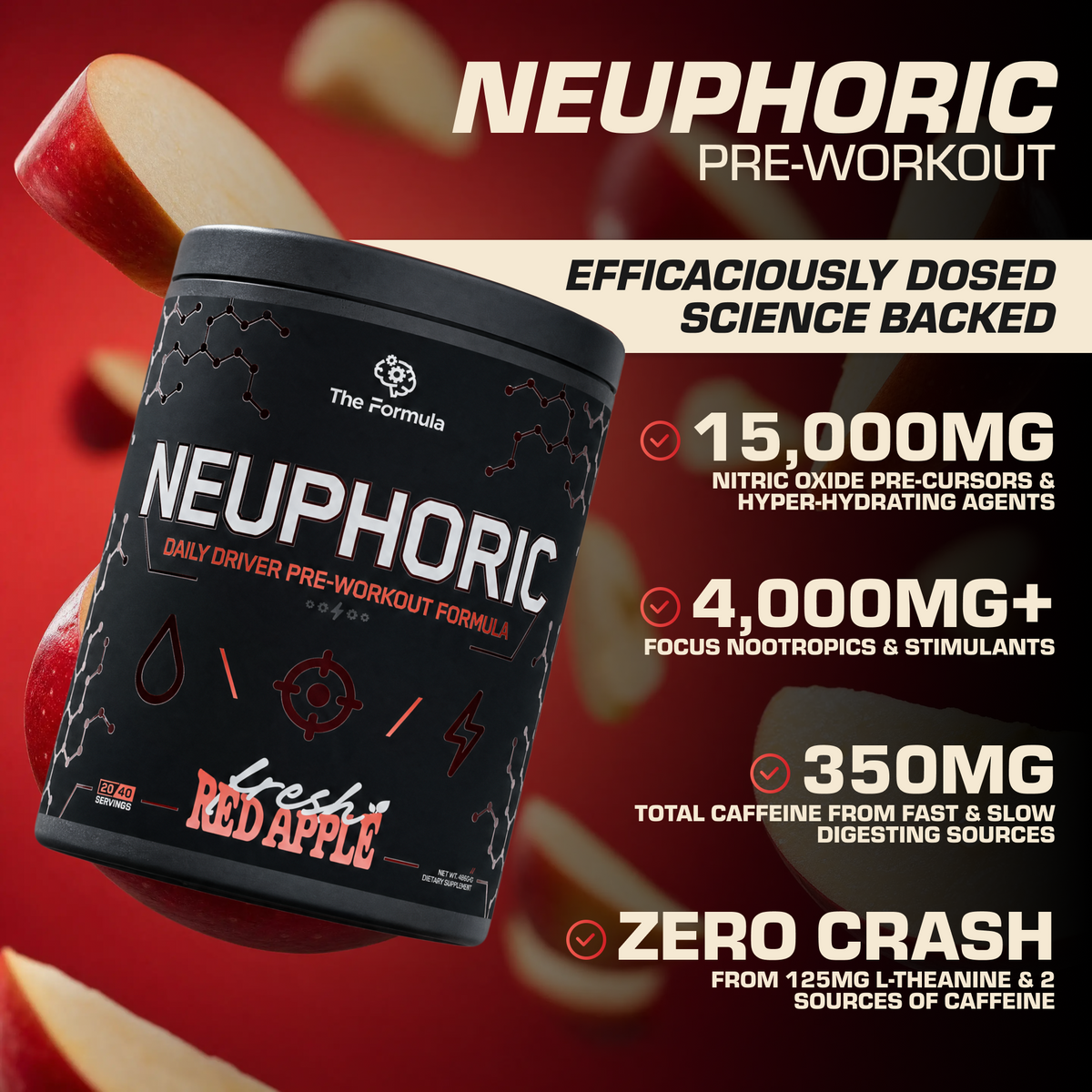
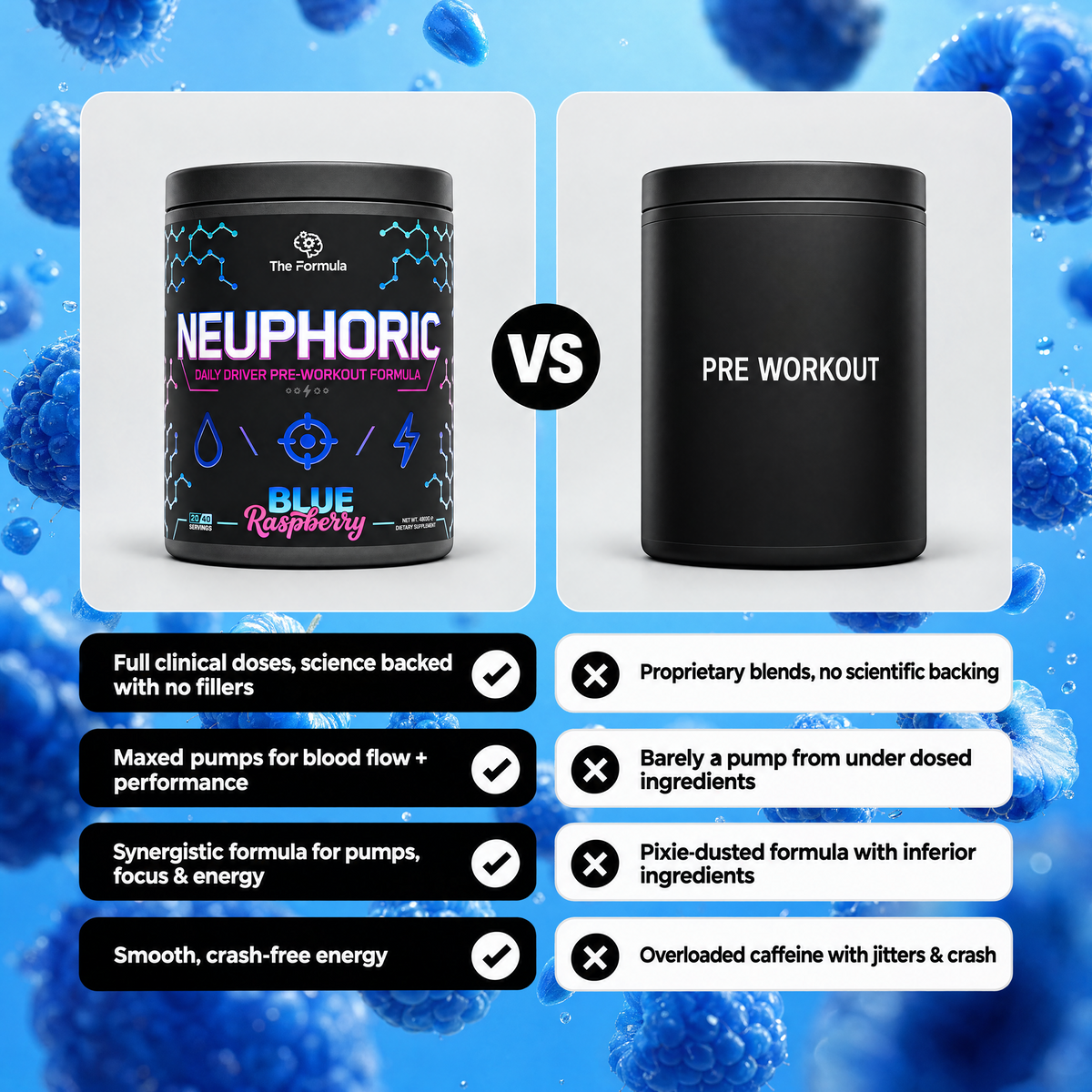
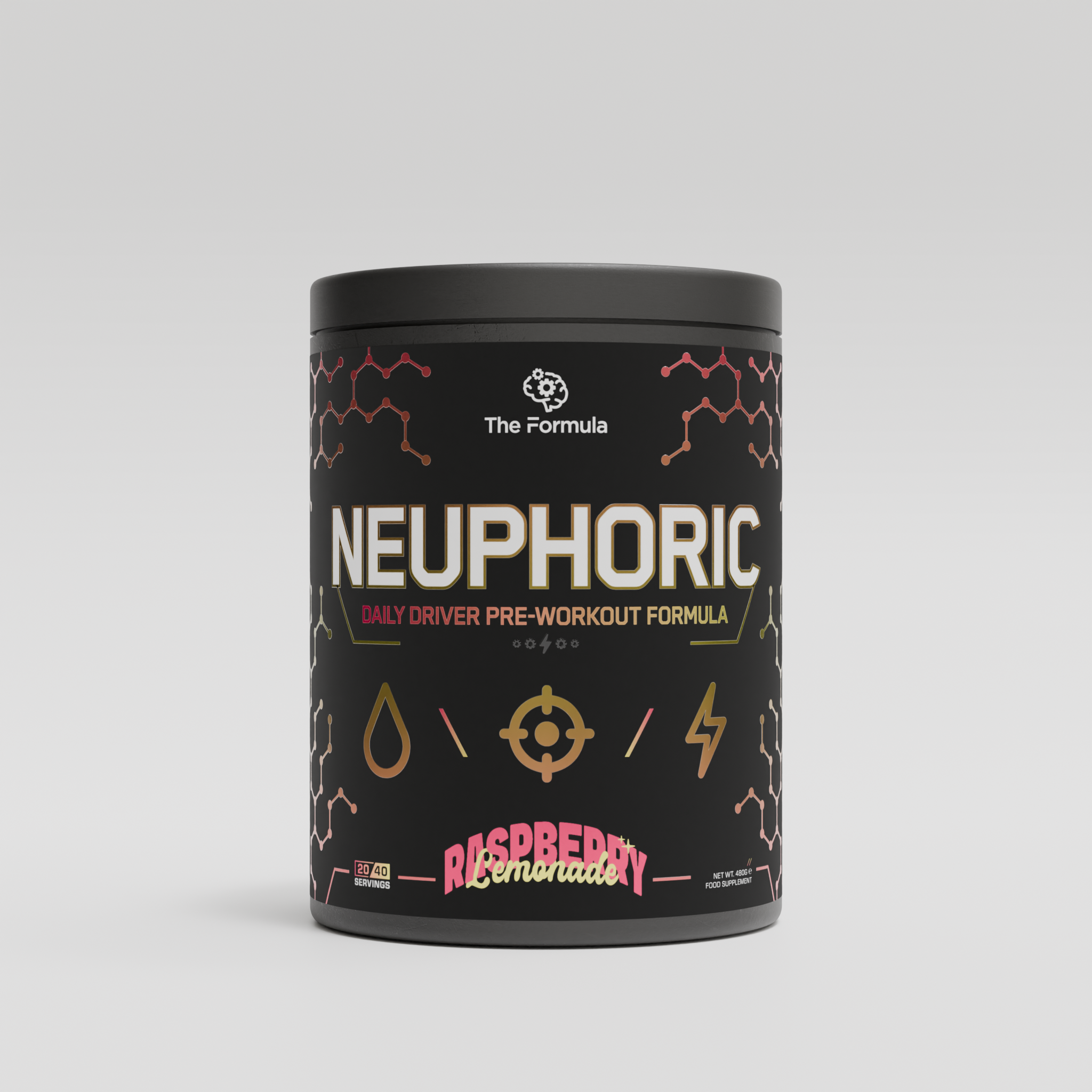
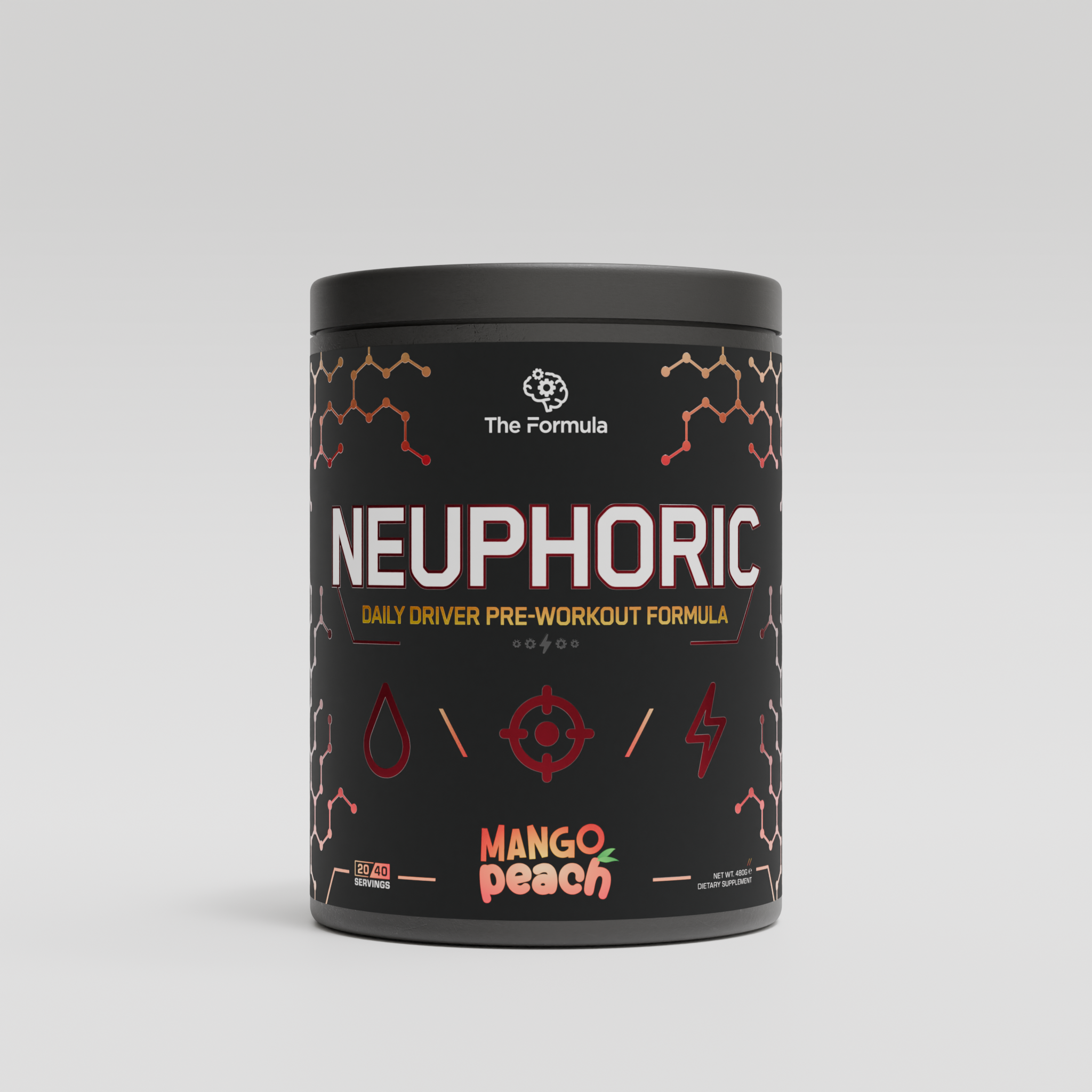
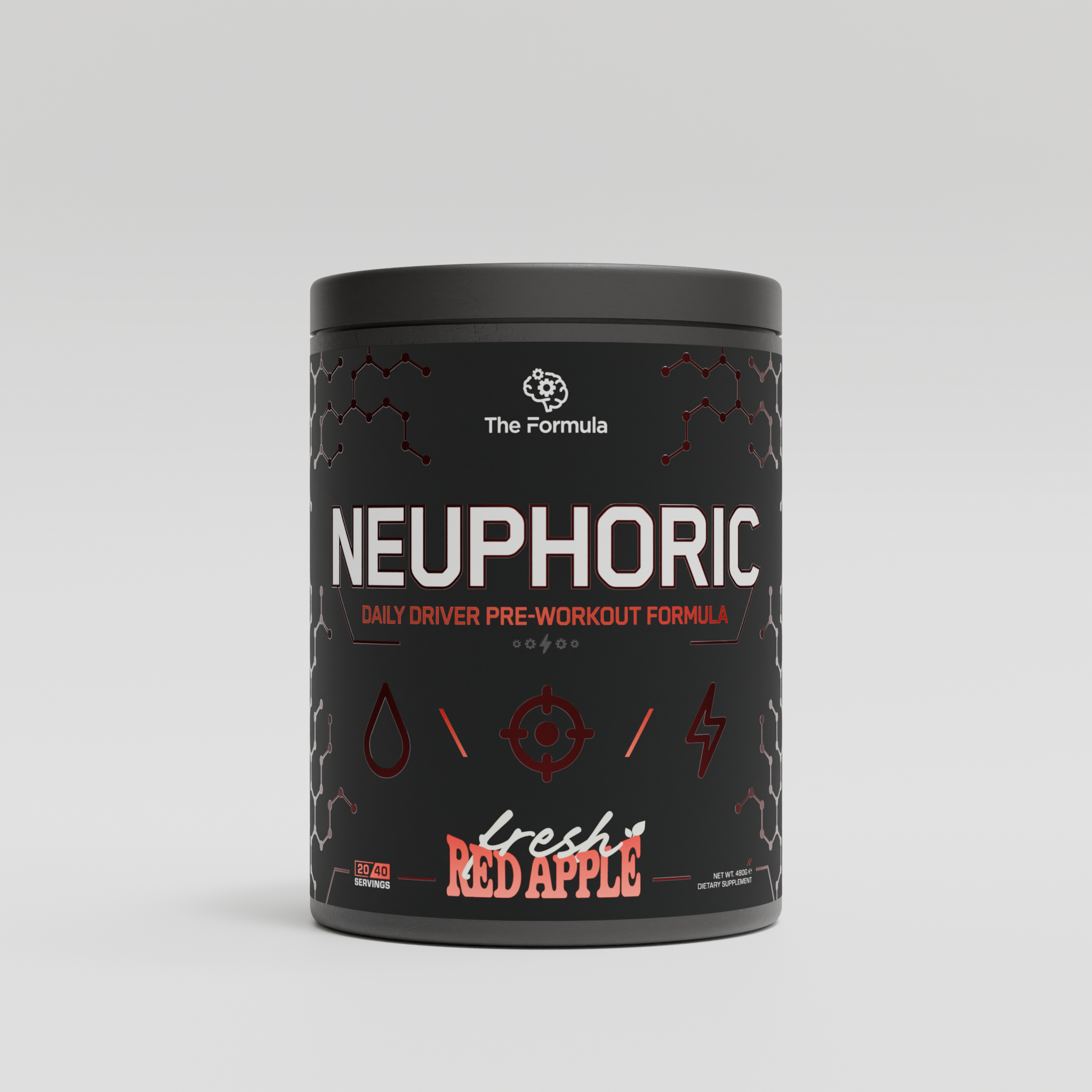
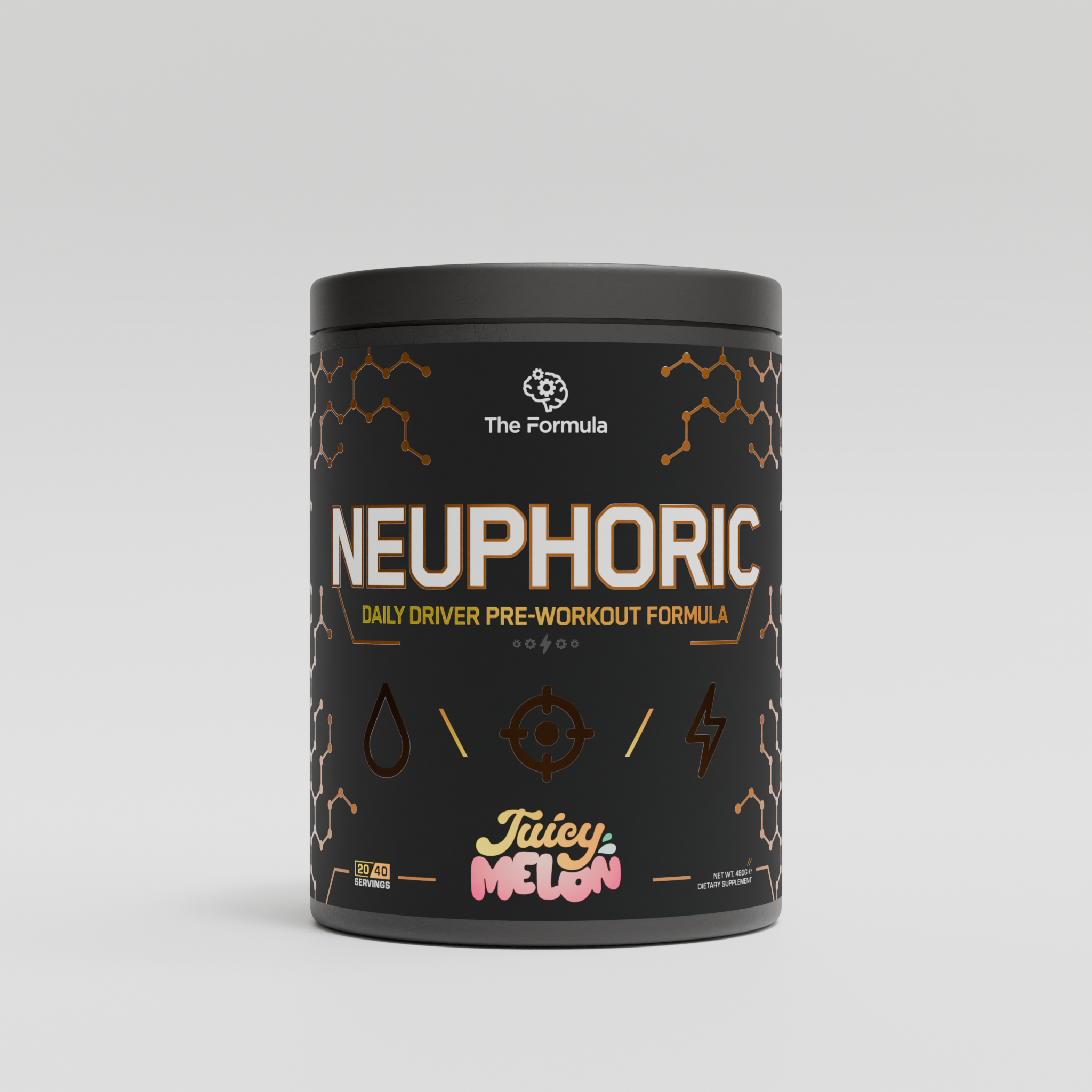
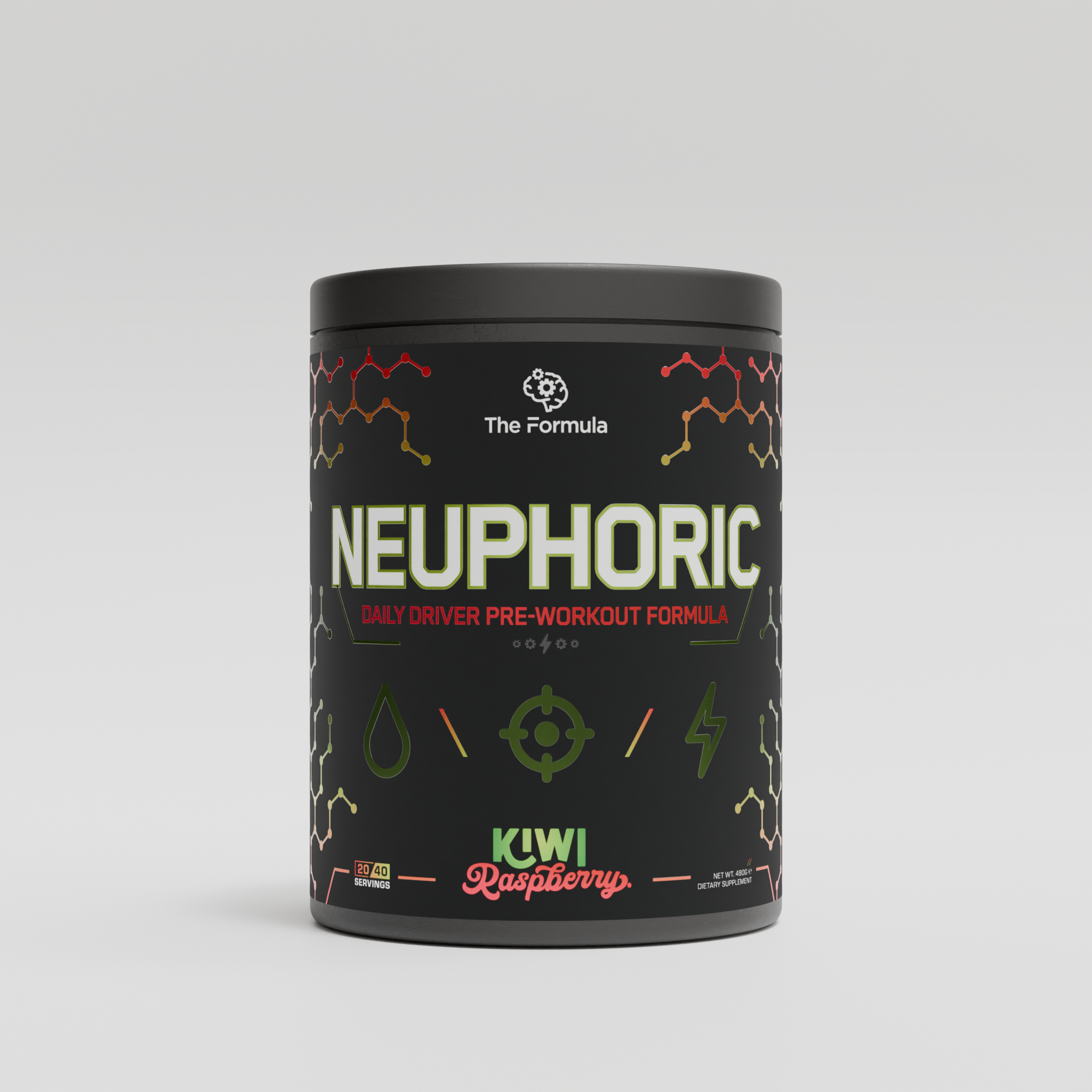
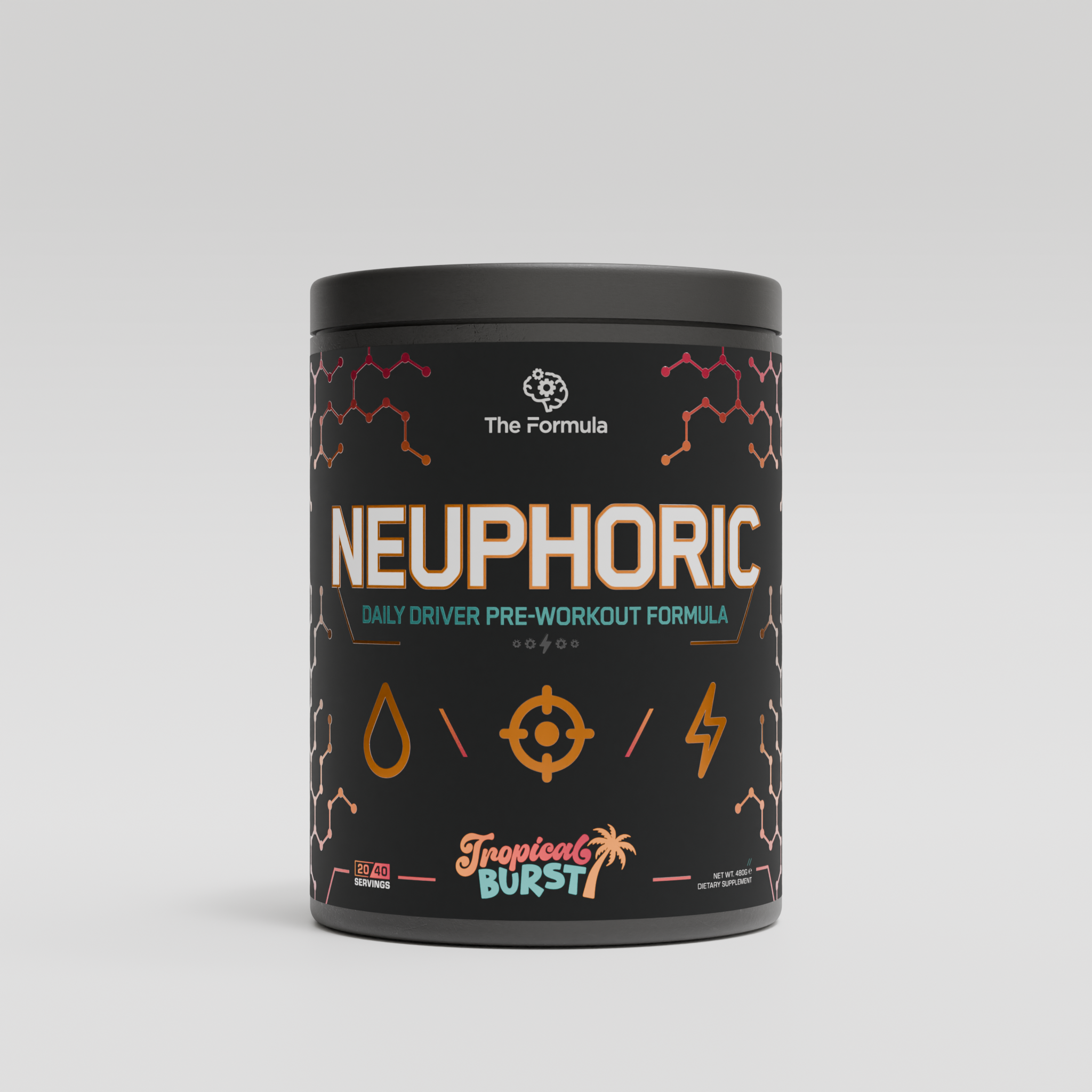
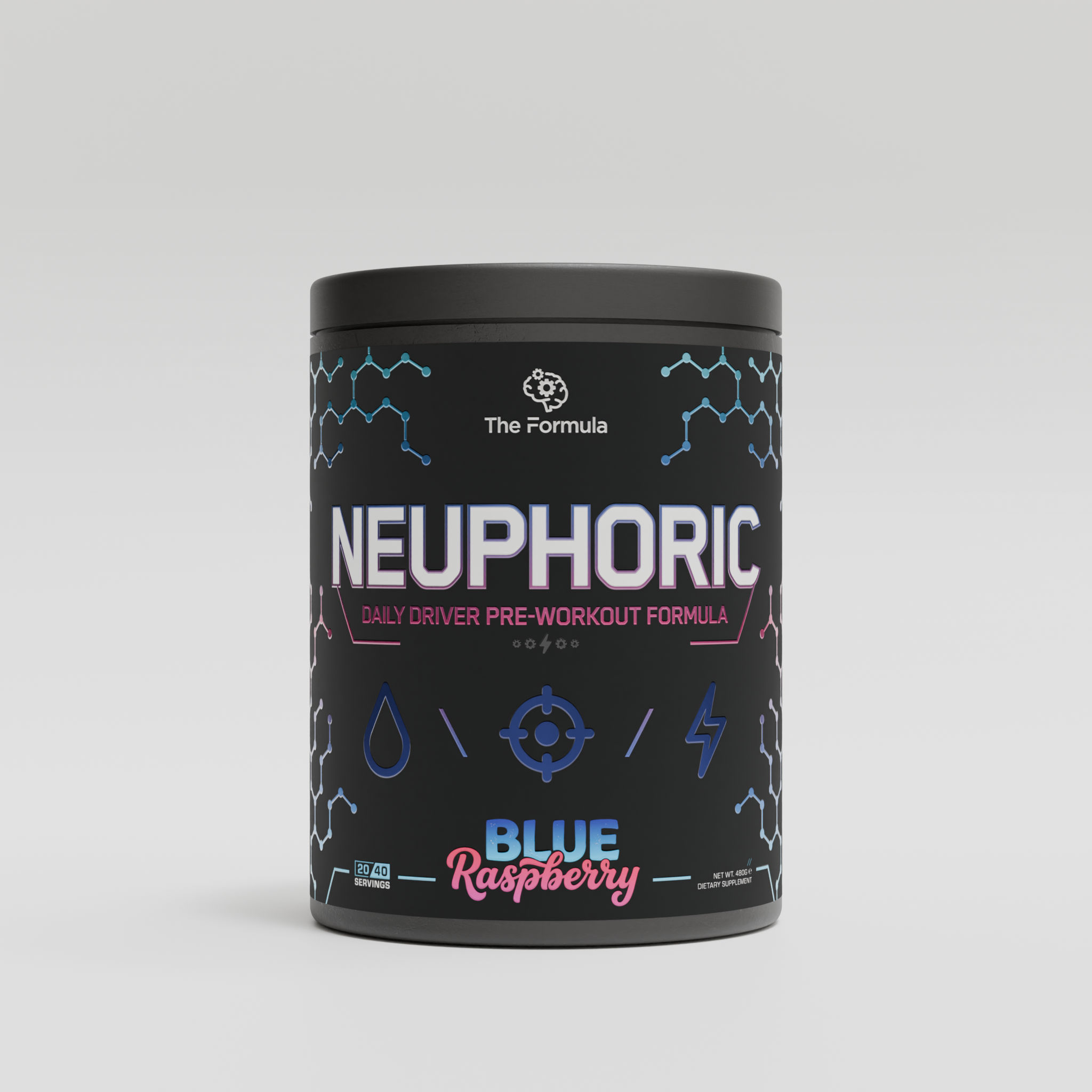
NEUPHORIC and VASO-DIAL are full-dose formulas: 10,400mg citrulline, 4,000mg betaine, and more per serving. That's why we recommend mixing 2 scoops in 500ml of cold water, taking it about 30 minutes before training, and starting at 1 scoop if you're new to pre-workouts. Most people who have this issue sort it with the first three fixes above.
When it's not the pre-workout
See your GP if you have ongoing diarrhoea, stomach pain, blood in your stool, unexplained weight loss, or symptoms that carry on when you're not taking pre-workout. Those need checking out properly.
FAQ
Why does pre-workout make me poop? Mainly caffeine stimulating the bowel, plus a large, concentrated serving pulling water into your gut. Empty stomach and too little water make both worse.
Is it normal for pre-workout to cause diarrhoea? It's common, especially with high-dose formulas taken fasted or with little water. Mixing with more water, eating beforehand and starting with half a serving usually solves it.
Does non-stim pre-workout cause stomach issues? Less often, because there's no caffeine. But a large serving can still cause problems if drunk quickly with too little water.
How long before a workout should I eat if I'm taking pre-workout? A small, easily digested meal 60–90 minutes before works well for most people.
Should I stop taking pre-workout? Not usually. Adjust how you take it first. If symptoms persist even when you're not using it, speak to your GP.
References
- Rao SS et al. (1998). Is coffee a colonic stimulant? Eur J Gastroenterol Hepatol. PubMed
- Brown SR, Cann PA, Read NW (1990). Effect of coffee on distal colon function. Gut. PubMed
- de Oliveira EP, Burini RC, Jeukendrup A (2014). Gastrointestinal complaints during exercise: prevalence, etiology, and nutritional recommendations. Sports Med. PubMed